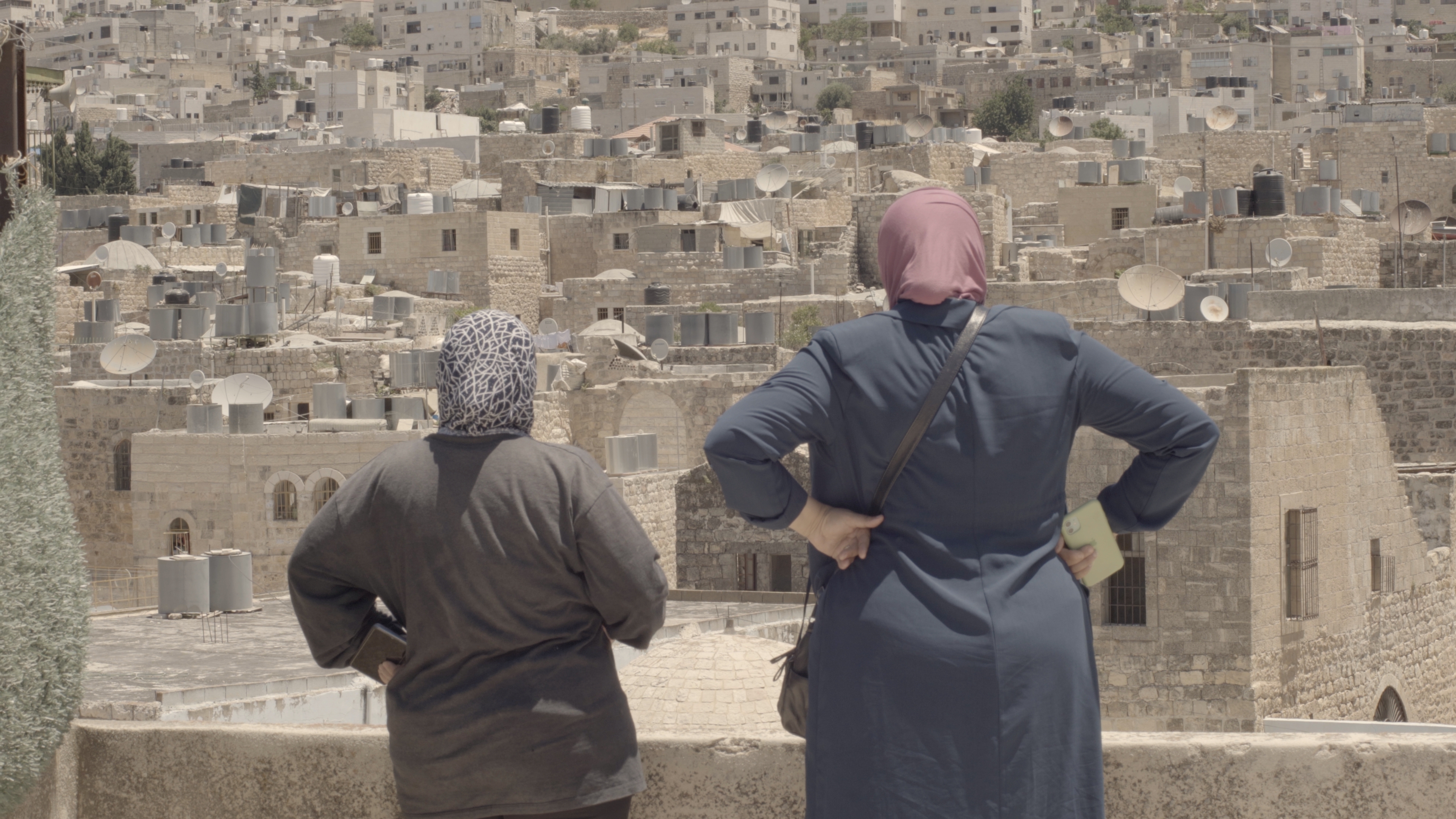
London Palestine Film Festival, which will return to the capital later next month, has released its programme. While geographically centred on the land of Palestine, the programme takes us through melancholic, didactic, comedic, and, most of all, thought-provoking films that bridge the over 2000-mile gap to London.
Through these many methods, the films tackle the issues prevalent in Gaza of who writes history. Who has the power in the present to govern what we remember? Palestine 36 tells a fiction based on a forgotten history, exhibiting new understandings of documented violence in the region. Of course, LPFF mix this with actual documentary, such as With Hasan in Gaza, the story of memory through archive video.
‘The process of programming does not start with an aim,’ one of LPFF’s programme co-ordinators told mov.r. ‘It takes shape as I watch these films.’ This concept of listening to the stories on the ground runs throughout the programme, which is how Sepideh Farsi made Put Your Soul on Your Hand and Walk. Farsi intended it to be a documentary on the ground in Cairo, talking to Palestinian refugees displaced by conflict. The resulting film’s power, however, is in the act of listening to its subject, photojournalist Fatima Hassouna.
Many of the films in the programme focus on very specific, personal stories from Palestine. Western media has condemned itself to monotony, fatality statistics becoming nothing but a debating chip. These filmmakers restore the dignity and humanity to Palestinian lives. According to the co-ordinator, the programme ‘is shaped with filmmakers’ vision, which so often reflects what feels most urgent, most present in the collective mind and in the world around us.’
Whether it’s through action-comedy in the case of Once Upon a Time in Gaza, resistance in the face of tragedy and despair in the case of A State of Passion, or other daily resistances in the 48 Resisting the Big Settlement/Where the Wind Blows Double Bill, LPFF rebuilds what has been symbolically and physically destroyed in Gaza, using the power of individual voices as its building blocks. ‘The curation of this year’s festival bears witness to realities of Palestinian people and the ongoing genocide in Gaza, sharing the voices of those affected and cultivating understanding and dialogue about their resilience and lived experiences.’
As LPFF attests, we can find a point depart for this mission in culture and in the arts. The festivals greatest achievement, aside from rewriting history, is redefining the film canon to include Palestinian voices who have previously been elided. ‘Artistically,’ the co-ordinator sumises, ‘it is clear that Gaza will have a strong presence in global cinema for years to come, embedded in the minds of filmmakers and at the core of future films.’
London Palestine Film Festival runs from 14th to 28th November 2025. For more info and to book tickets, head to their website.
Image: 48 Resisting the Big Settlement (2025) © London Palestine Film Festival


